Table of Content
The significant barrier to using a basement foundation for all mobile homes is the expense and complexity of creating a structure meeting the building code. A non-permanent foundation like a pier, single slab, or runner foundation is a temporary structure that disperses the weight of a mobile home across the underlying ground. An adequately supported 6-inch concrete slab foundation with reinforcement and an appropriate sub-base will support your mobile home in most areas. If your jurisdiction doesn’t require inspection – and even if it does – it’s worth hiring your own home inspector. A third-party inspector goes beyond code requirements and looks at the quality of the installation work. Discovering snags and problems early means you can get them fixed before the setup crew leaves the site, and within the warranty time limits.
Many states require all installers to be licensed and bonded. Google search the name of your state and the term ‘licensed manufactured home installer.’ The search results should include a link to your state’s HUD agency . Click here for a listing of Florida’s licensed installers. Don’t feel like you have to use the installers or contractors that the dealership recommends. By law, they have to see the home through to the very end regardless of which company does it. It is crucial that you talk about the process, including the needed materials, to do this project.
Manufactured Homes Installation and Set Up
So without further ado, let’s find out more about the mobile home foundation types, which foundation you have and how to be sure your foundation is up to code. Around 75% of all manufactured homes are installed on nonpermanent foundations because it is significantly cheaper. A common nonpermanent foundation involves piers of concrete blocks situated on top of a small base of concrete or treated wood and placed under the home’s I-beams.

There is a ton of work involved and in most states, all mobile home setups and installs must be done by licensed and bonded professionals or you can’t even have utilities installed. Site-built homes have stem walls on the outside, directly under the exterior walls. Manufactured homes have piers positioned under the chassis.
A Note of Caution about Using a Cement Slab for the Installation
Hidden problems with the downspouts or grading, for example, could cause massive water ingress leading to warping and buckling sometime down the road. A faulty foundation could cause the home to settle unevenly and might have to be completely rebuilt if it isn’t up to the job. Signing off on a home installation usually activates some contractual small print and releases the set-up company from liability if things go wrong. Reinforced walls are then poured so the home’s floor can be positioned at ground level.
Ice can create damage in several ways but ‘lifting’ the foundation via ice lense or frost heaving, is probably the most damaging. When water trapped in soil freezes it expands which makes the ground rise. Ice can lift a manufactured home’s footers by 4” or more. If a single corner of a manufactured home is raised 4” it can cause significant stress on the home’s structure.
Dirt Pad for Mobile Home Importance and How to
This is also an important factor for installing a septic tank leach field. The drainage should prevent water build-up under the home as well as shifting and settling of the foundation. Good drainage will prevent damage to the home such as buckling of the floors and walls. A basement is essentially a crawl space, although deeper so that you can walk around comfortably. A basement can offer additional living space at a minimal cost.
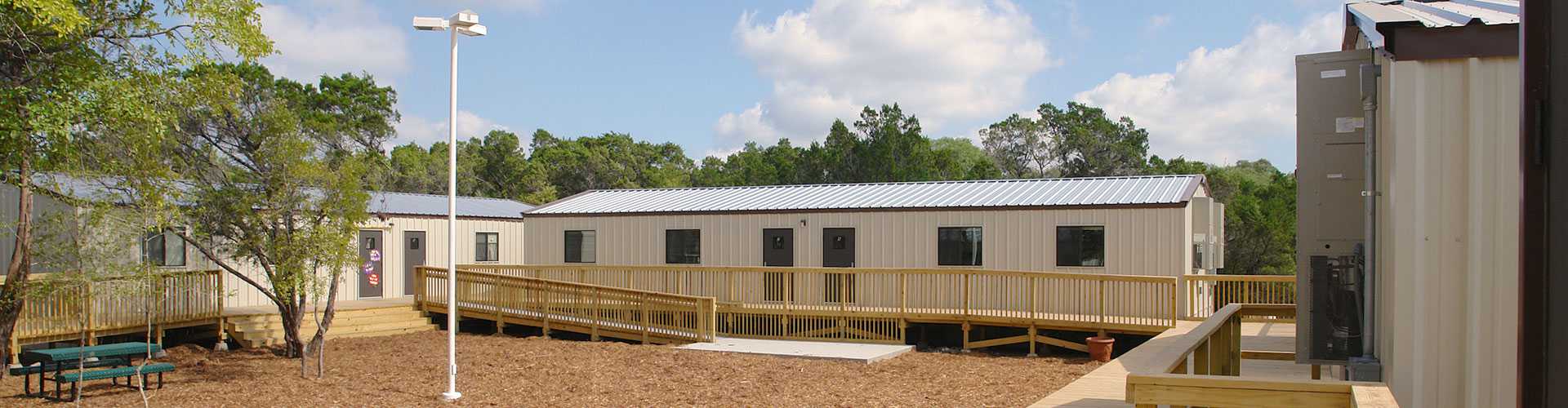
Installing mobile homes is hard and dangerous work – you’ll need a professional manufactured homes installer to do the job. In most states, it’s unlawful for any person to occupy a mobile home unless the home has been installed by a HUD-certified installer. The HUD ticket means that the installer is specially trained to install your home in compliance with the manufacturer’s detailed instructions, HUD codes, and local building codes. A flat, concrete surface, 4 to 6 inches deep, slab foundations usually have another 4 to 6-inch layer of gravel beneath them. Homes with slab foundations require that all plumbing and wiring for utilities be contained within the walls and flooring of the actual house. Home installation and setup is not as easy as it might appear but it’s a maze that thousands of homeowners successfully navigate every year.
Floating Slab Foundations
Concrete blocks that are either poured on site or precast. The earth is leveled out in the area where the slab will be. The basement is constructed much the same way as for a stick-built home, with a few special exceptions. All photos and written posts are the property of Rocky Hedge Farm. Please feel free to pin images directly from my site. However, images can not be downloaded or used for any other purpose.

We were told by the local dealer that this damage was caused as a result of the unit having a front loader washer which is not recommended for our type of foundation. Before 2009, there were few regulations or codes set on a national level to mandate or control manufactured home installation and setup procedures. Several states provided their own guidelines, but minimal standards varied and little to no checkpoints were in place. The cost of your concrete slab foundation depends on the area you need.
In fact, footer foundations can provide excellent protection against floods, frost or moving soil. The number of columns and their placement depends on your mobile homes support beam placement. There are six concrete runners that will be under the home. This is where the I-beams are and where the concrete blocks are placed that our home will be placed on after it is tied down. When we actually are in the home moving phase, I will share more about the tie down process of a manufactured mobile home.

To help with drainage, create a gravel bed under the wooden beams. You will not only help stop moisture buildup, but also prevent rotting issues. Installing a pile foundation is an in-depth process, requiring specialized tools. Skilled professionals with pile drivers will help make short work of your installation. For those not familiar with working with this type of equipment, hiring a contractor will help make installation run smoothly and take the burden off your shoulders.
There are a lot of considerations to have before choosing this kind of foundation. For one, the measurements of the basement have to fit that of the home exactly. If it’s a little too short or long, you will need to relocate the walls. You will also need to make sure that the basement’s walls and footings meet area-specific building codes. These codes depend on the soil condition, local rainfall and, energy standards.
These can be simple concrete blocks or piers like a normal mobile home foundation. The home is also attached to the foundation in the same way as a basement. It is manufactured in an industrial factory and transported by truck to its setup location.
Bonus – you can create a crawlspace between the foundation and the mobile home, a valuable dry storage area. Ease – it is the most straightforward way to create a mobile home foundation. A mobile home spends a lot of time sitting in one location. In short, there isn’t really much leeway in selecting your foundation, but you should make your GC aware of any lender or park requirements. The earth underneath the home should be graded to create a crown and prevent a depression. This will ensure that water will travel away from the home.
You’re ready to have the mobile home installed on your home site. If everything goes well, you’re just a few short weeks away from moving into your new home. Several options exist for setting a manufactured home. An existing piece of land, a manufactured home park, or selecting and purchasing a new property. This article discusses important considerations on how to prepare land for setting a manufactured home. Have questions about foundations and site preparation for your new manufactured or modular home?



No comments:
Post a Comment